Objective
Automatic sliding door systems are motorised entry solutions used across homes, shops, offices, and medical centres throughout Australia. If you are wondering what are automatic sliding door systems and how they work, this guide explains everything in plain language – from the types available to what you need to check before choosing one for your property
Key Takeaways
- Automatic sliding doors are used in shops, offices, hospitals, apartments, and homes.
- They help people move in and out without touching the door.
- The right system depends on space, traffic, safety needs, and daily use.
- Commercial doors need stronger parts because they open and close many times a day.
- Residential systems usually focus more on comfort, access, and design.
- Regular servicing keeps the door safe, quiet, and reliable.
Table Of Contents
- What Automatic Sliding Door Systems Are
- Why They Are Common Across Australia
- How Automatic Sliding Door Systems Work
- Main Types Of Automatic Sliding Doors
- Commercial Automatic Sliding Door Solutions
- Residential Automatic Sliding Door Solutions
- Safety Features That Matter
- What To Check Before Choosing A System
- Care And Maintenance
- FAQs
- Conclusion
What Automatic Sliding Door Systems Are
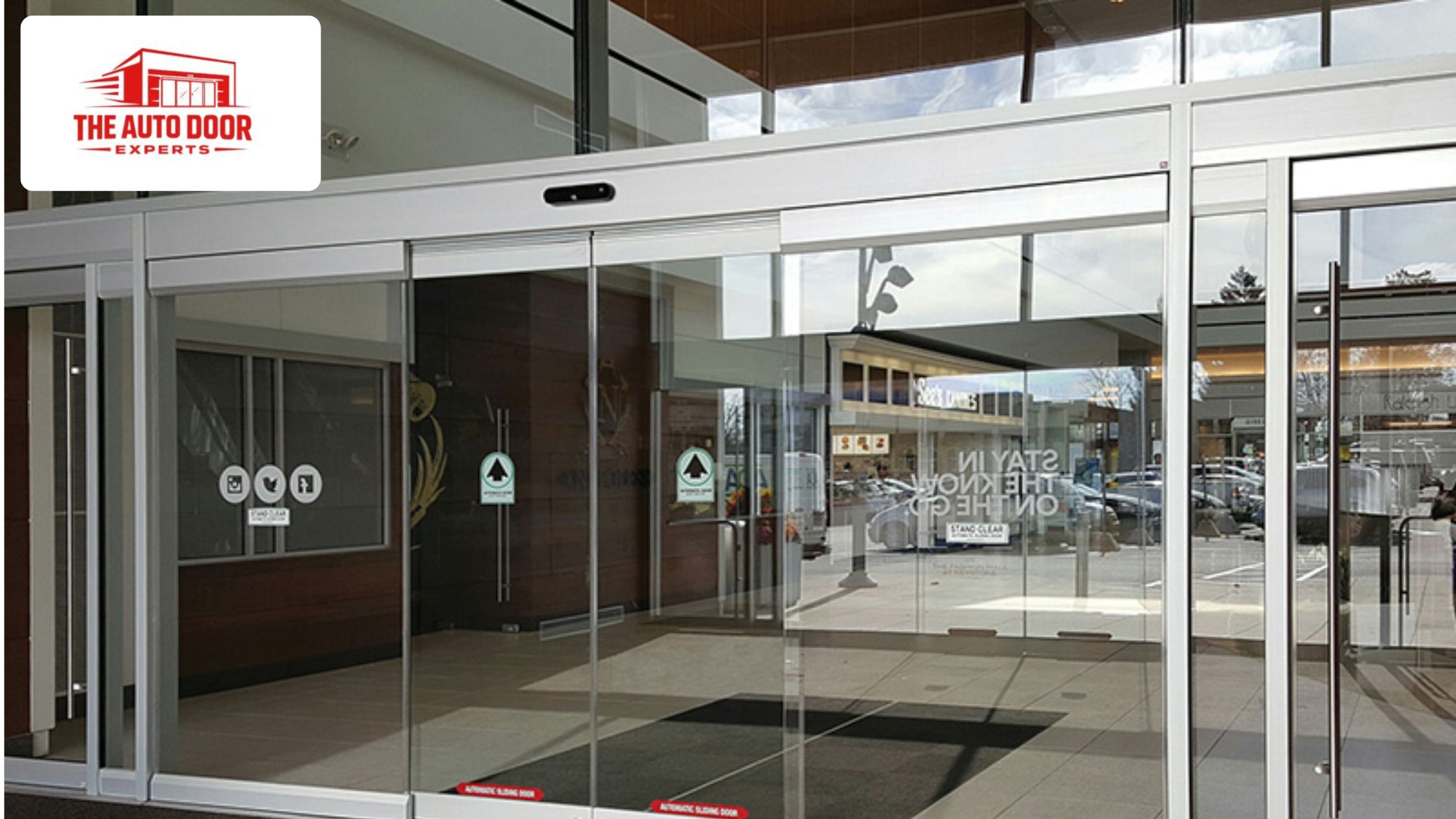
Automatic sliding door systems open and close on their own. They usually work with a sensor, a button, a remote, or an access control system. When someone comes close, the door slides open. After a short time, it closes again.
You see these doors every day in Australia. They are used at supermarkets, medical centres, office buildings, hotels, aged care homes, apartment entries, and private homes. They are not just about looks. They help people enter and leave a building safely and easily.
Many people start looking into these systems when they want easier access, better traffic flow, or a more modern entry. Some may also be researching what are automatic sliding door systems while planning a new build, renovation, or entry upgrade for their property.
The Auto Door Experts specialise in automatic door sales and installation across different settings, from busy commercial doors to simpler residential access points.
Why They Are Common Across Australia
Australia has many buildings that need safe and easy access. A sliding automatic door can help because it does not swing out into a walkway. This is useful in tight spaces, busy entries, and areas where people carry bags, tools, prams, or medical equipment.
For businesses, these doors can make a front entry feel cleaner and more welcoming. For homes, they can make daily movement easier, especially for older people or anyone with mobility needs.
They also suit the Australian lifestyle. Many homes open onto patios, decks, gardens, and outdoor areas. A smooth sliding system can make that indoor-outdoor movement easier.
How Automatic Sliding Door Systems Work
The basic setup is simple.
A sensor detects movement. The control unit sends a signal. The motor moves the door panels along a track. The door stays open long enough for a person to pass through. Then it closes safely.
Most systems include:
- A motor
- Door panels
- A track
- Sensors
- A control unit
- Safety devices
- Manual release options
The system may look simple from the outside, but each part needs to work properly. If the sensor is dirty, the door may not open correctly. If the track is worn, the door may drag. If the motor is under too much strain, it may fail earlier than expected. Using genuine automatic door spare parts during any repair or replacement helps maintain the performance and safety of the system long term.
That is why choosing the right system matters from the start.
Main Types Of Automatic Sliding Doors
Not every sliding door works the same way. The best choice depends on the size of the entry and how many people use it each day.
Single Sliding Doors
A single sliding door has one moving panel. It slides to one side.
This is often used where the opening is not very wide. It may suit smaller offices, internal entries, or some residential spaces.
Bi-Parting Sliding Doors
Bi-parting doors open from the middle. Two panels slide apart.
These are common in supermarkets, medical centres, and larger commercial entries. They allow more people to pass through at once.
Telescopic Sliding Doors
Telescopic doors use multiple moving panels on each side. The panels stack neatly as they open.
This type is useful when you need a wider opening but do not have much wall space.
Frameless Glass Sliding Doors
Frameless glass doors are often chosen for modern spaces. They give a clean look and let in more light. They are common in offices, showrooms, and high-end residential projects. If you are still comparing options, our detailed guide on what type of automatic door is right for your business can help you narrow down the best fit before getting a quote.
Commercial Automatic Sliding Door Solutions
Commercial spaces often require doors that can withstand heavy use. A retail entry may open hundreds, or even thousands, of times a day. A hospital door may need to support wheelchairs, stretchers, staff, visitors, and deliveries.
Commercial systems are often used in:
- Shops
- Shopping centres
- Offices
- Clinics
- Hospitals
- Hotels
- Schools
- Apartment buildings
- Aged care facilities
In these places, the door must be reliable. It must open smoothly, close safely, and handle constant use.
A commercial automatic sliding door may also need to connect with:
- Security systems
- Swipe cards
- Keypads
- Fire safety systems
- After-hours locking
- Emergency exit controls
This is where proper planning becomes important. The Auto Door Experts can be part of projects where access, safety, traffic flow, and compliance must work together.
Residential Automatic Sliding Door Solutions
Automatic sliding doors are also useful in homes. Some homeowners choose them for comfort. Others need them for easier access.
They can be used for:
- Patio doors
- Balcony entries
- Internal room access
- Granny flats
- Accessible bathrooms
- Garage-to-home entries
- Garden access
For a home, the goal is often simple. The door should be easy to use, quiet, and in keeping with the house’s style.
For example, an older person may find it hard to push a heavy glass door. A parent carrying groceries or holding a child may also benefit from hands-free entry. A person using a wheelchair or walker may need a smoother way to move between rooms or outdoor areas.
Residential systems do not always need the same heavy-duty setup as a shopping centre door. But they still need proper installation and safety checks.
Safety Features That Matter
Safety should never be treated as an extra. A sliding door moves with force, so it must be able to detect people and objects in its path.
Important safety features include:
- Motion sensors
- Presence sensors
- Obstruction detection
- Slow closing speed
- Emergency manual release
- Safety glass
- Battery backup where needed
The door should not close on someone. It should not open too fast in a tight space. It should also be easy to open manually if there is a power issue.
In commercial buildings, safety and access rules may also apply. This is especially important in public spaces, healthcare buildings, and workplaces.
What To Check Before Choosing A System
Before choosing an automatic sliding door, think about how the space is used. A door that looks good may not always suit the job.
Ask these questions first:
- How many people will use the door each day?
- Is the entry narrow or wide?
- Is the door indoors or outdoors?
- Does it need to handle wind or weather?
- Does it need security access?
- Will people use wheelchairs or mobility aids?
- Is it for a home or a commercial site?
- How much maintenance will it need?
- Does the design match the building?
It is also smart to think long-term. A cheaper setup may cost more later if it breaks down often or cannot handle daily use.
Care And Maintenance
Automatic sliding doors need regular care. This keeps them safe and helps prevent sudden breakdowns.
Basic care includes:
- Keeping the track clean
- Wiping sensors gently
- Checking for strange noises
- Watching for slow movement
- Making sure the door closes fully
- Booking regular service checks
Signs that a door needs attention include:
- Jerky movement
- Slow opening
- Loud noise
- Door staying open
- The door is closing too quickly
- Sensor not responding
- Door panels rubbing or shaking
A small fault can become a bigger repair if ignored. Regular servicing can help find problems early.
Conclusion
Automatic sliding door systems can make a building easier to use. They help people move through entries without pushing, pulling, or stopping. They also support better access in shops, offices, clinics, homes, and shared buildings.
The right door depends on the space. A busy commercial entry needs strength and strong safety features. A home entry may need quiet operation, easy access, and a clean look. Both need careful planning.
Before choosing a system, look at traffic, space, safety, access, and long-term care. A well-chosen door should feel natural to use every day.
The Auto Door Experts can support projects with a simple goal: a safer, smoother, and more practical entry that works for the people using it.
FAQs
1. Are Automatic Sliding Doors Good For Australian Homes?
Yes, they can be a good choice for many homes. They make access easier, especially to patios, balconies, and other often-used areas. They are also helpful for people with mobility needs.
2. Are Automatic Sliding Doors Safe?
Modern systems are designed with safety sensors and control settings. They can detect people and objects, slow down movement, and stop if something is in the way. Proper installation and servicing are still important.
3. Can An Existing Sliding Door Be Automated?
In some cases, yes. It depends on the door size, weight, track condition, frame, and available space. A proper check is needed before deciding.
4. Do Automatic Sliding Doors Use Much Power?
Most systems do not consume much power during normal use. Power use depends on the motor, door size, traffic level, and extra features.
5. How Often Should Automatic Sliding Doors Be Serviced?
Busy commercial doors may need servicing more often than home doors. A door in a shop or medical centre should be checked regularly because it opens and closes many times a day.
6. What Is The Difference Between Commercial And Residential Systems?
Commercial systems are usually stronger and built for heavy traffic. Residential systems are often lighter and focused on comfort, quiet use, and design.
7. What Happens If The Power Goes Out?
Many systems have a manual release. Some may also have battery backup. The right option depends on the building and safety needs.